
Understanding Acne
An In-Depth Guide to Acne Causes and Symptoms
Acne is a widespread inflammatory skin condition that affects millions of people across all age groups. It happens when hair follicles, or pores, become blocked by a combination of oil and dead skin cells, which leads to the formation of lesions commonly known as pimples. While it most frequently appears on the face, acne can also emerge on the back, chest, and shoulders. It is a myth that acne is a result of poor hygiene or "dirty" skin. This condition can impact anyone from teenagers navigating puberty to adults in their 30s, 40s, and beyond, making it one of the most common dermatological issues. This resource provides a comprehensive overview of acne, from its root causes and various types to its potential long-term effects. Understanding the factors that contribute to breakouts is the first step in managing the condition effectively. We will explore the different forms acne can take, what happens if it's left untreated, and common questions people have about this complex skin concern.
All About Acne
What Causes Acne and How Does It Develop?
The development of acne begins when pores get clogged with oil and dead skin cells, creating an environment where bacteria can thrive, leading to inflammation. Several core factors contribute to this process. One primary driver is the overproduction of oil (sebum) by sebaceous glands, which is often stimulated by hormonal shifts, particularly during puberty. Another factor is the buildup of dead skin cells that fail to shed properly, mixing with the excess oil to form a plug in the follicle. The presence of a common skin bacterium, C. acnes, within this clogged pore can trigger an inflammatory response, resulting in the red, swollen bumps associated with acne.
Beyond these immediate causes, other elements can increase your risk or provoke flare-ups. Genetics play a significant role; if your parents had acne, you are more likely to experience it as well. Certain medications, like corticosteroids, can induce breakouts. Environmental conditions, such as high humidity, and the use of certain cosmetic or skincare products that clog pores (comedogenic products) can also worsen the condition. Lifestyle factors, including diet and stress, are also believed to influence acne, though the connection is complex and varies from person to person. Untreated acne can lead to more than just temporary blemishes. Persistent or severe breakouts can result in permanent scarring, dark spots, and skin discoloration long after the initial pimples have healed. The condition can also have significant emotional and social effects, impacting self-esteem and confidence.
Related Services
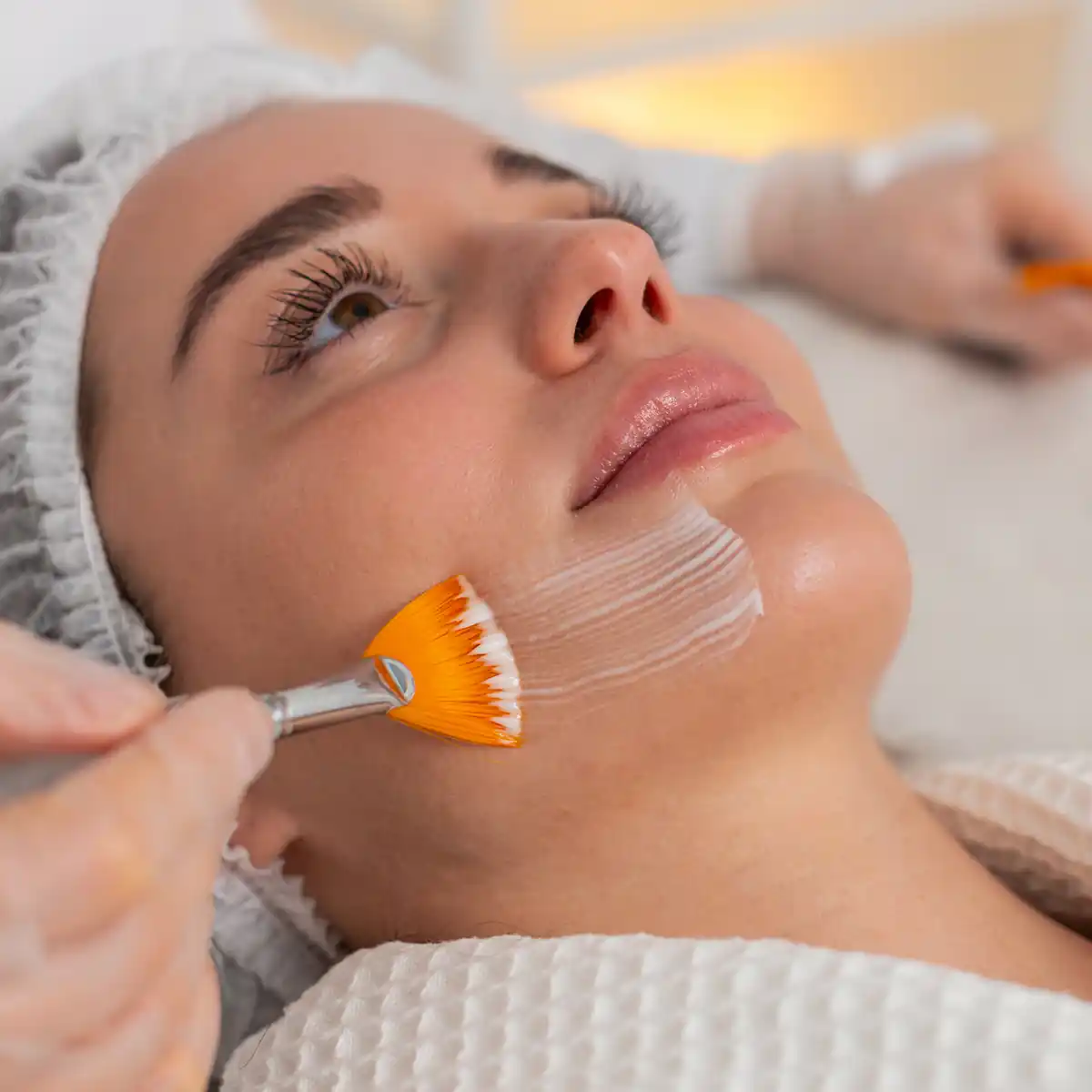
Chemical Peels
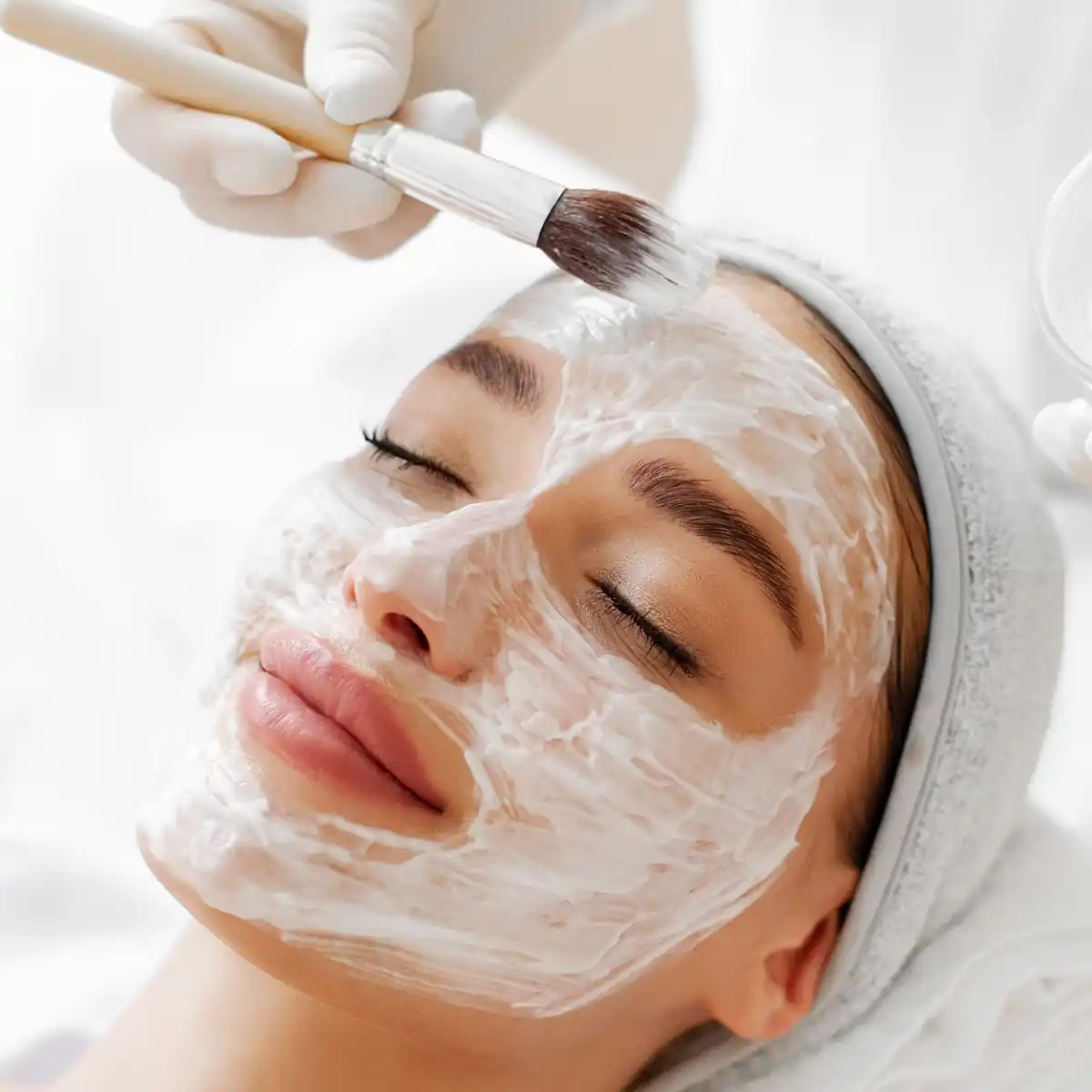
Facials

AviClear Laser
Frequently Asked Questions
What are the different types of acne?
Acne presents in several forms, which are categorized based on their appearance. The mildest types are whiteheads and blackheads. Whiteheads are clogged pores that have closed over at the skin's surface, appearing as small white bumps. Blackheads are clogged pores that remain open, and the dark color is due to the oxidation of the trapped oil and skin cells, not dirt. More inflammatory types include papules, which are small, firm red bumps, and pustules, which are red, inflamed pimples with a visible white or yellow pus-filled center. More severe forms are nodules—large, solid, painful lumps deep under the skin—and cysts, which are deep, pus-filled, and often very painful lesions that carry a high risk of scarring.
Can acne go away on its own?
Yes, in many cases, acne can resolve on its own, but the timeline is unpredictable and depends on the individual and the severity of the condition. For many people, particularly those who experience acne during adolescence, breakouts tend to lessen and improve as hormone levels stabilize, often by their late twenties or early thirties. However, this is not a universal experience. Some individuals continue to struggle with acne well into their adult years. Furthermore, severe forms of acne, like nodular or cystic acne, often do not fully resolve without some form of treatment and are more likely to lead to permanent scarring if left unaddressed.
Is there a genetic link to acne?
Yes, there is a strong genetic component to acne. Research has shown that individuals with a family history of acne are more likely to develop it themselves. If one or both of your parents had significant acne, your chances of experiencing it are higher. This hereditary link influences several factors related to acne development, such as the size and activity of your sebaceous glands, your skin's tendency to produce excess oil, and the rate at which your skin cells turn over. While genetics can predispose you to acne, environmental and lifestyle factors still play a crucial role in triggering and exacerbating breakouts.