
Understanding Skin Pigmentation
A Guide to Age Spots and Sun-Related Skin Changes
Age spots, also known as sun spots or solar lentigines, are a common sign of skin aging. These small, flat, dark areas of pigmentation typically appear on parts of the body that have received the most sun exposure over the years, such as the face, hands, shoulders, and arms. While they are medically harmless, their appearance can be a source of cosmetic concern for many, prompting a desire to understand their causes and how to manage them. This educational resource will provide a detailed look at age spots. We will explore what causes them to form, how they affect the skin, and what preventative measures can be taken to minimize their development. By understanding the factors that contribute to these dark spots, you can make more informed decisions about your skin health and long-term care.
All About Age Spots
What Causes Age Spots and How Can They Be Prevented?
The primary cause of age spots is prolonged exposure to ultraviolet (UV) radiation from the sun or tanning beds. This UV light accelerates the production of melanin, the pigment that gives skin its color. Over time, this excess melanin can clump together and form the dark patches we recognize as age spots. While they are most common in adults over 50, anyone can develop them, especially individuals with fairer skin types or a genetic predisposition. Other contributing factors can include natural aging processes, hormonal shifts, and skin inflammation.
Prevention is the most effective strategy against age spots. The cornerstone of prevention is diligent sun protection. This includes the daily application of a broad-spectrum sunscreen, even on cloudy days. You can further protect your skin by wearing sun-protective clothing, such as long-sleeved shirts and wide-brimmed hats, and by avoiding sun exposure during peak hours when UV rays are strongest. It is also crucial to avoid artificial tanning beds entirely, as they emit concentrated UV radiation. A consistent skincare routine rich in antioxidants and maintaining a healthy lifestyle can also support your skin's resilience against sun damage. While age spots themselves do not pose a health risk, their presence indicates a history of significant sun exposure, which is a risk factor for skin cancer. Therefore, it is important to regularly check your skin for any new or changing spots and consult a dermatologist if you notice anything unusual.
Related Services
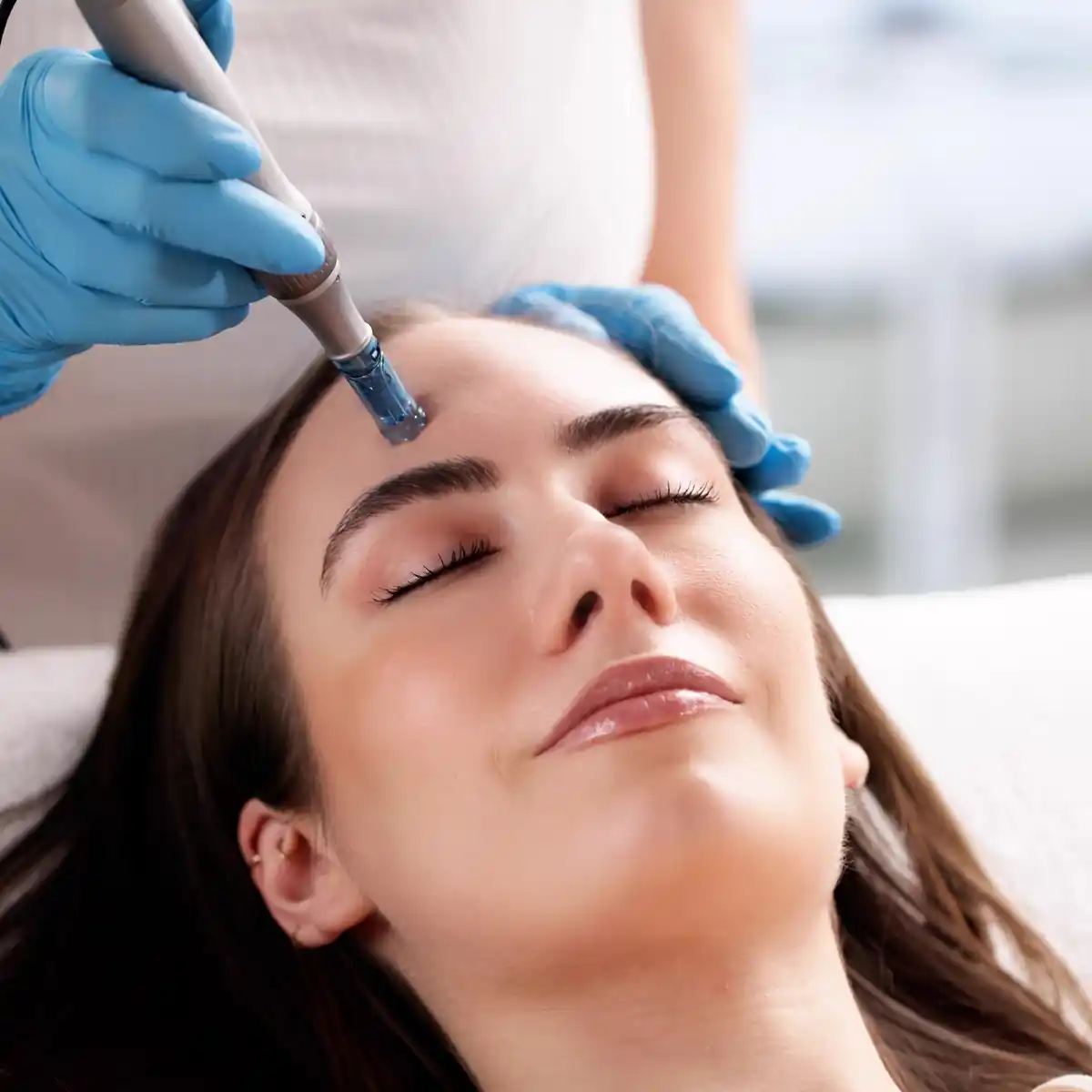
Microneedling

Laser Resurfacing (Ultraclear)
Frequently Asked Questions
Are age spots and liver spots the same thing?
Yes, the terms "age spots" and "liver spots" refer to the same skin condition. The name "liver spots" is a misnomer that originated from the incorrect historical belief that these dark spots were caused by liver problems. However, we now know that they are completely unrelated to the liver's function. Their scientific name is solar lentigines. The discoloration is a result of sun exposure that stimulates excess melanin production in the skin, not an underlying issue with any internal organs. The spots are purely a cosmetic skin concern.
Do age spots ever turn into skin cancer?
Age spots themselves are benign and do not turn into skin cancer. However, it's very important to monitor them because they can sometimes be difficult to distinguish from early forms of melanoma, a serious type of skin cancer. Both can appear as dark, flat spots on the skin. Any spot that changes in size, shape, or color, or develops an irregular border, starts to itch, or bleeds should be examined by a dermatologist immediately. The presence of numerous age spots also signifies extensive sun damage, which is a known risk factor for developing skin cancer.
Can you really prevent age spots?
While it may not be possible to prevent every single age spot, especially if you have a genetic predisposition, you can significantly reduce their number and severity. The most critical preventative step is consistent, lifelong sun protection. This means using broad-spectrum sunscreen daily, wearing protective clothing, and seeking shade. Starting these habits early in life offers the best defense. Avoiding tanning beds is also essential. A healthy diet, proper hydration, and a good skincare routine can further help protect the skin from the oxidative stress that contributes to their formation.