
Understanding Skin Health
The Difference Between Dry and Dehydrated Skin
Many people use the terms "dry" and "dehydrated" interchangeably when describing their skin, but they are two distinct issues that require different solutions. Dry skin is a skin type, something largely determined by genetics, which is characterized by a lack of natural oils, or lipids. Dehydrated skin, on the other hand, is a condition that can affect any skin type—even oily skin—and is defined by a lack of water. Understanding the difference is the first step toward giving your skin what it truly needs to look and feel its best. This educational resource will explore the nuances of both dry and dehydrated skin. We will cover their unique causes, symptoms, and potential complications. By learning to identify the specific signs your skin is showing, you can better tailor your skincare routine and lifestyle habits to restore its health and radiance.
All About Dry & Dehydrated Skin
Causes and Symptoms of Dry vs. Dehydrated Skin
The root causes of dry and dehydrated skin are fundamentally different. Dry skin is a skin type that naturally produces less sebum (oil). This can be due to genetics, hormonal changes, or aging. External factors like cold weather, low humidity, and the use of harsh soaps or cleansers that strip the skin's natural oils can also cause or worsen dryness. Symptoms of dry skin often include a feeling of tightness, a rough texture, flakiness, peeling, small pores, and sometimes itching or redness.
Dehydrated skin, conversely, is a temporary condition caused by a lack of water in the skin's uppermost layers. Common causes include not drinking enough fluids, excessive sweating, a diet high in caffeine or alcohol, and environmental factors like sun or wind exposure. Even using harsh skincare products can disrupt the skin's barrier and lead to water loss. Signs of dehydrated skin include a dull, tired appearance, more pronounced fine lines, reduced elasticity, and dark under-eye circles. A unique sign is feeling both tight and oily at the same time, as the skin may overproduce oil to compensate for the lack of water. It is also possible to have both dry and dehydrated skin simultaneously. In this case, the skin lacks both oil and water, requiring a comprehensive approach to replenish both.
Related Services
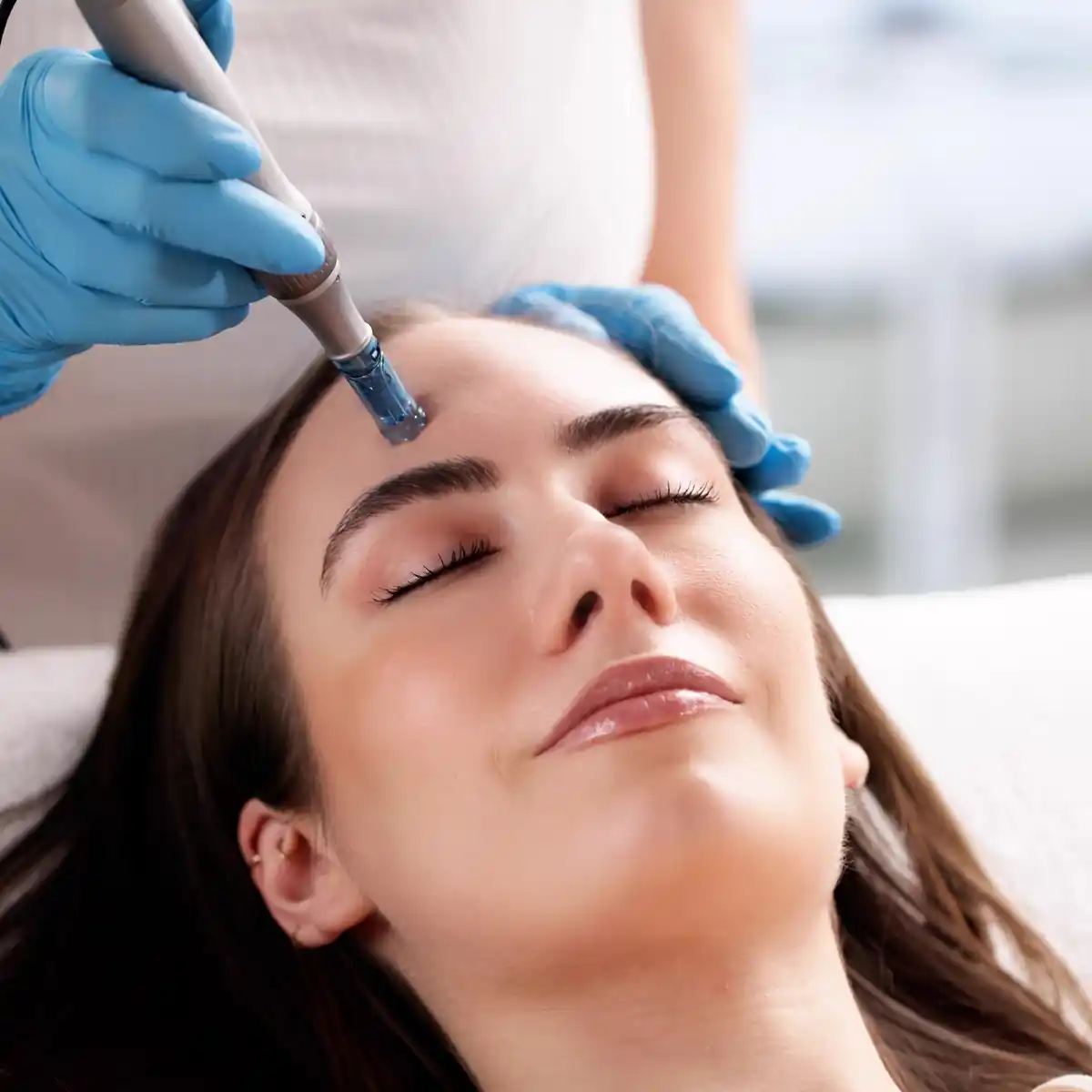
Microneedling
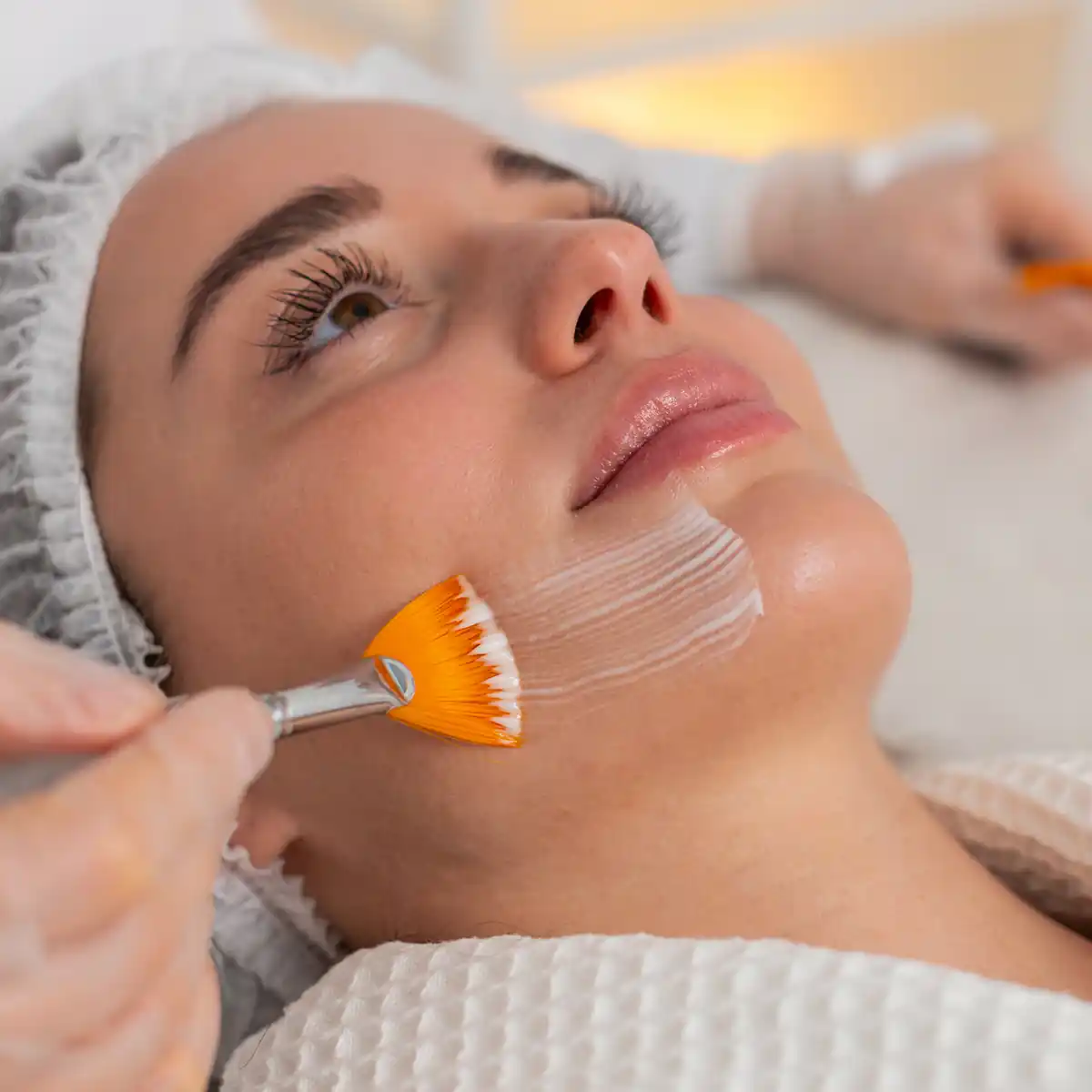
Chemical Peels
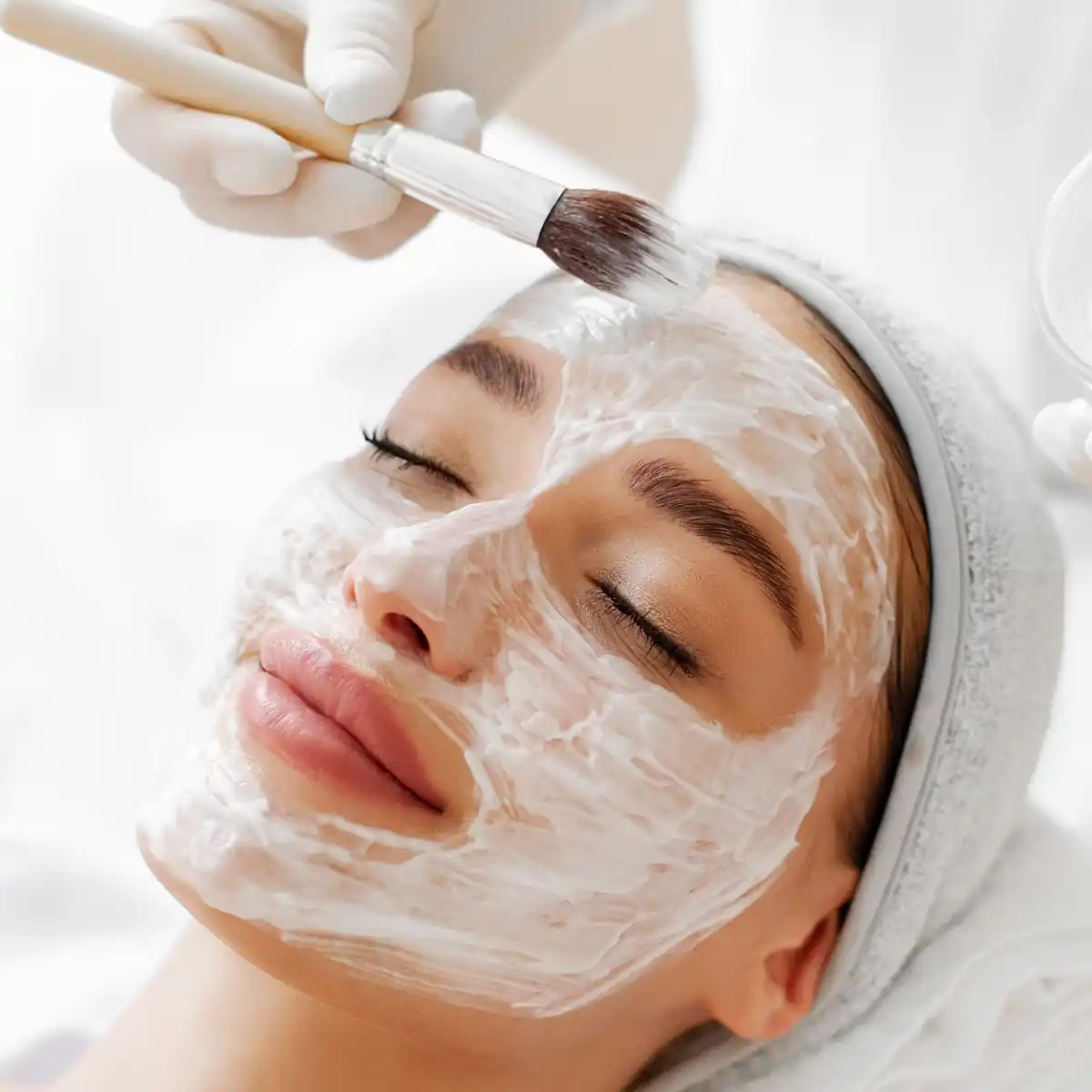
Facials

Diamond Glow
Frequently Asked Questions
How can I tell if my skin is dry or dehydrated?
A simple way to check for dehydration is the "pinch test." Gently pinch a small amount of skin on your cheek or the back of your hand and observe how quickly it returns to normal. If it snaps back immediately, your skin is likely well-hydrated. If it takes a moment to bounce back, it may be dehydrated. Other tell-tale signs of dehydration include a dull appearance and fine lines, whereas dry skin is more commonly associated with a rough, flaky texture and a feeling of tightness without any surface oil.
Can you have oily and dehydrated skin at the same time?
Yes, it is very common to have skin that is both oily and dehydrated. This occurs when the skin lacks water but continues to produce an excess of oil to compensate for the dehydration. People with this condition often describe their skin as feeling tight and dry, yet it looks shiny or greasy on the surface. They may be prone to breakouts while also experiencing dullness and sensitivity. This highlights why even oily skin types need proper hydration—using lightweight, water-based products is key.
What are the main risks if dry skin is not managed properly?
When dry skin is left unmanaged, its protective barrier becomes compromised. This can lead to several complications. The skin may become extremely itchy and irritated, and small cracks can develop, making it more susceptible to bacterial and fungal infections. Chronic dry skin can also exacerbate or trigger inflammatory skin conditions such as atopic dermatitis (eczema), psoriasis, and contact dermatitis. It's important to use gentle, moisturizing products to help support the skin's barrier function and prevent these more serious issues from developing.