
Understanding Skin Aging
A Comprehensive Guide to Fine Lines and Wrinkles
The skin tells a unique story of the life you live, and as the years pass, it naturally undergoes subtle changes. Among the most common and visible signs of this journey are the creases, folds, and ridges that slowly emerge on the surface. These are known as fine lines and wrinkles, and they represent a completely normal aspect of the human aging process. Understanding how and why these marks develop can empower you to make informed decisions about your daily habits and skincare routine. We often notice the first signs of these changes in our late twenties or early thirties. At this stage, fine lines make their debut. These early creases are typically shallow and subtle, often appearing around areas of frequent movement like the eyes or mouth. As we progress into our forties and fifties, these delicate lines often transition into wrinkles. Wrinkles are the deeper-set folds that become more pronounced over time, altering the overall texture and contour of the skin. While you cannot pause time, gaining knowledge about the biological and environmental factors that drive these changes is incredibly valuable. By learning about the roles of structural proteins, environmental stressors, and daily lifestyle choices, you can take proactive steps to care for your skin. This resource provides a deep dive into the underlying causes of fine lines and wrinkles, helping you navigate your skin's evolution with confidence.
Exploring the Causes
Why Fine Lines and Wrinkles Develop on Your Skin
The development of fine lines and wrinkles is a complex process driven by a combination of natural biological shifts and external environmental influences. At the core of natural skin aging is a gradual slowdown in the production of essential structural proteins. Collagen is the protein responsible for keeping your skin firm and resilient. Elastin gives your skin its ability to stretch and bounce back. As we age, the body produces less of both, and the existing fibers begin to break down. This causes the skin to lose its inherent firmness and structural support, paving the way for creases to form. Genetics also hold a powerful influence over your skin. Your DNA dictates the baseline timeline for how and when you might develop wrinkles. Some people naturally maintain high collagen levels longer than others, while some might see early signs of aging due to their inherited skin type. However, while you cannot change your genetics, you have significant control over the external factors that accelerate skin aging.
Sun exposure stands as the single greatest external cause of premature aging, a process known as photoaging. The ultraviolet rays from the sun penetrate the skin and actively destroy collagen and elastin fibers. This damage accumulates over decades, making daily sun protection crucial. Similarly, cigarette smoking exerts a powerful and damaging effect on the skin. The myriad of harsh chemicals found in tobacco smoke directly attacks and degrades your skin's structural proteins, while the act of smoking restricts vital blood flow and oxygen delivery to the skin surface. Your daily lifestyle habits heavily influence the appearance and depth of wrinkles. Dehydration and dry skin can make fine lines look far more severe than they actually are. When your skin lacks adequate water, it loses its plumpness, causing existing creases to look magnified. Keeping the skin well-hydrated from the inside out helps maintain a smoother surface.
Nutrition plays an equally important role. A diet high in refined sugars and carbohydrates can trigger a process called glycation. During glycation, sugar molecules attach to collagen proteins, making them stiff and brittle, which directly accelerates wrinkling. Environmental pollution also plays a hidden role in skin aging. Daily exposure to smog, dirt, and airborne toxins creates oxidative stress on the skin. This stress generates free radicals—unstable molecules that damage healthy cells and further accelerate the breakdown of collagen. Creating a protective barrier with antioxidants and thorough cleansing can help mitigate these modern environmental challenges. Furthermore, the stress of daily life and a lack of restful sleep take a significant toll on your skin. Chronic stress elevates cortisol levels, which can break down collagen over time. Insufficient sleep deprives your body of the critical hours it needs to repair cellular damage and regenerate tissue. Finally, repetitive facial movements, such as squinting or smiling, eventually etch lines into the skin. As elasticity decreases, the skin can no longer smooth itself out after these repeated expressions, leading to permanent wrinkles. By understanding these diverse factors, you can adopt a comprehensive approach to supporting your skin health.
Related Services

Botox
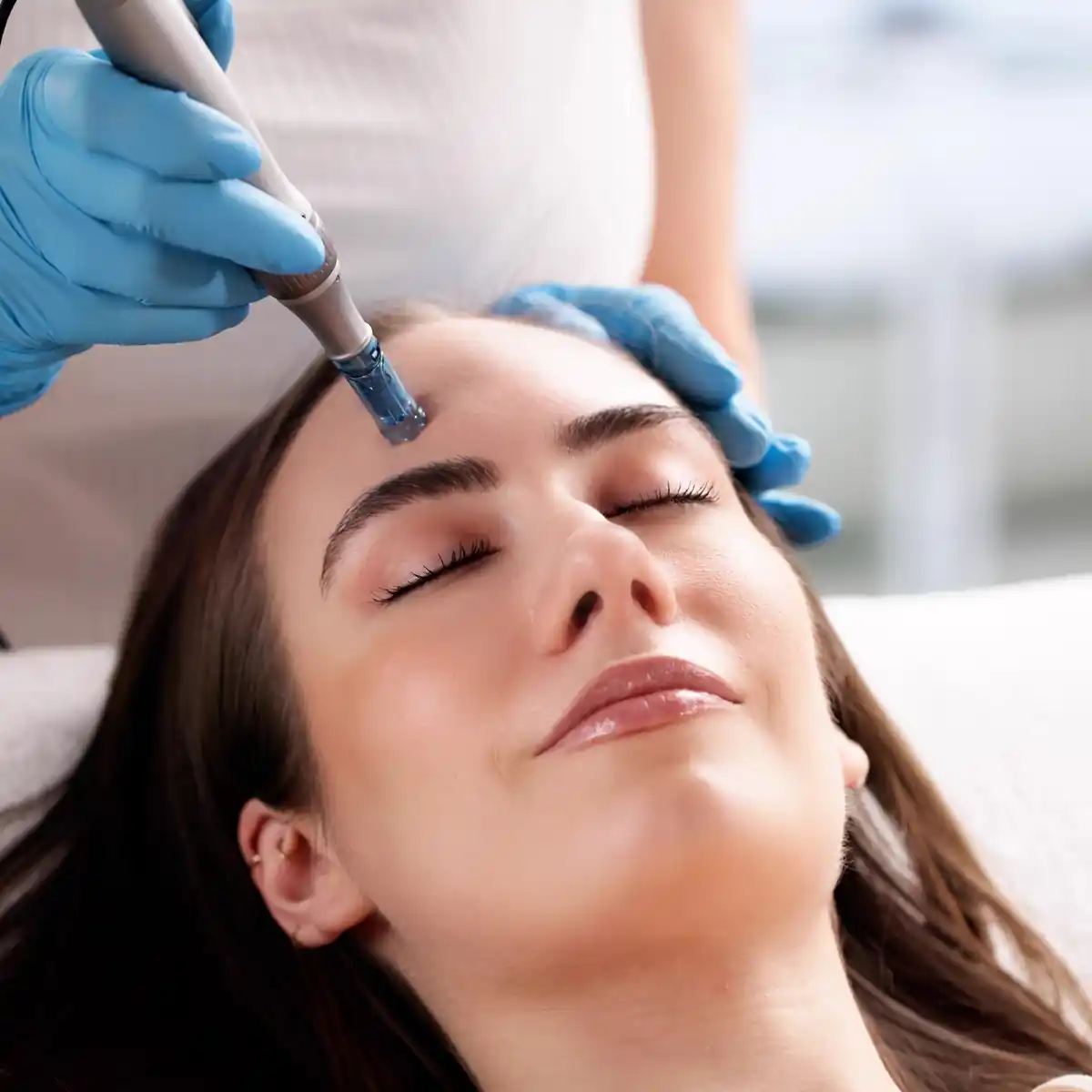
Microneedling
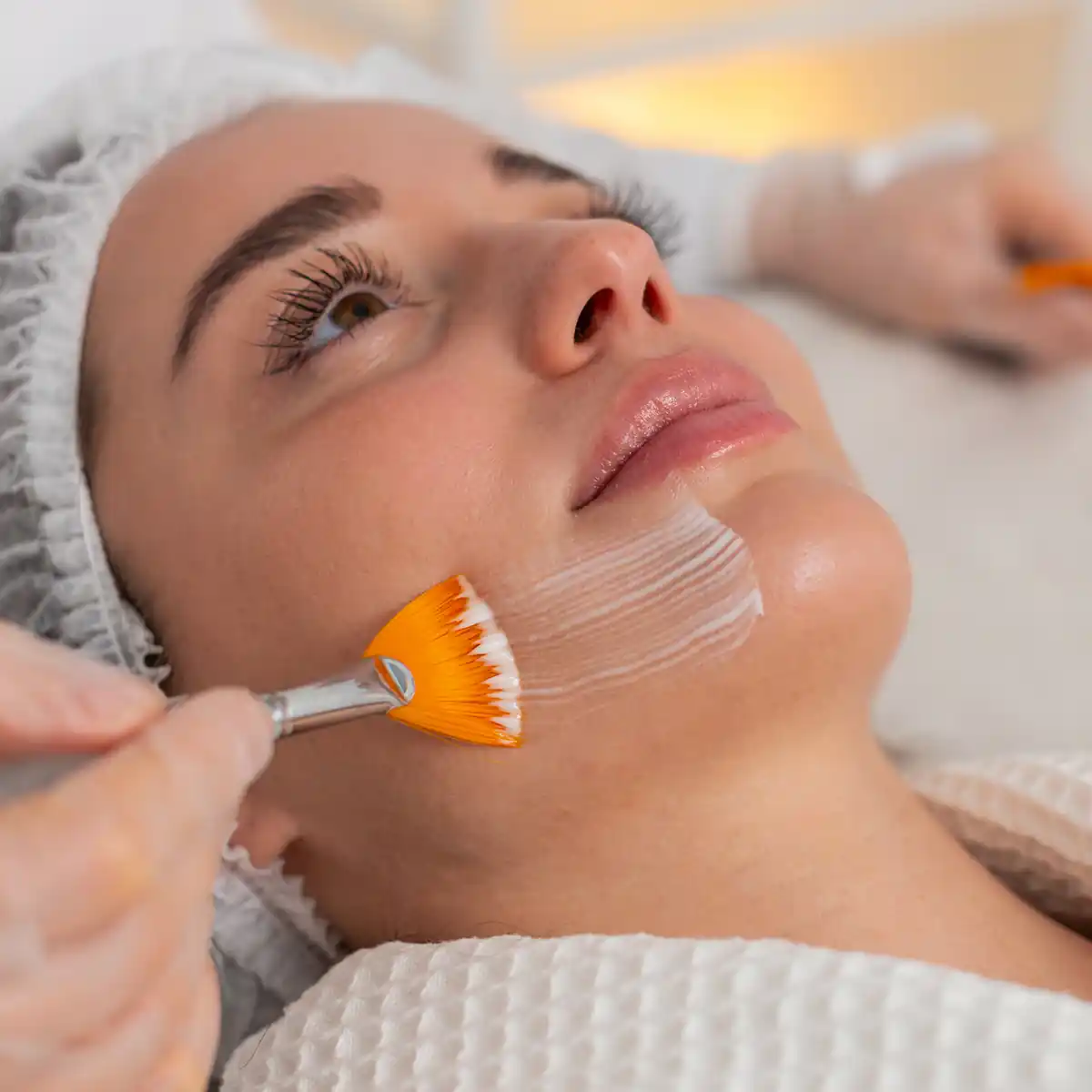
Chemical Peels
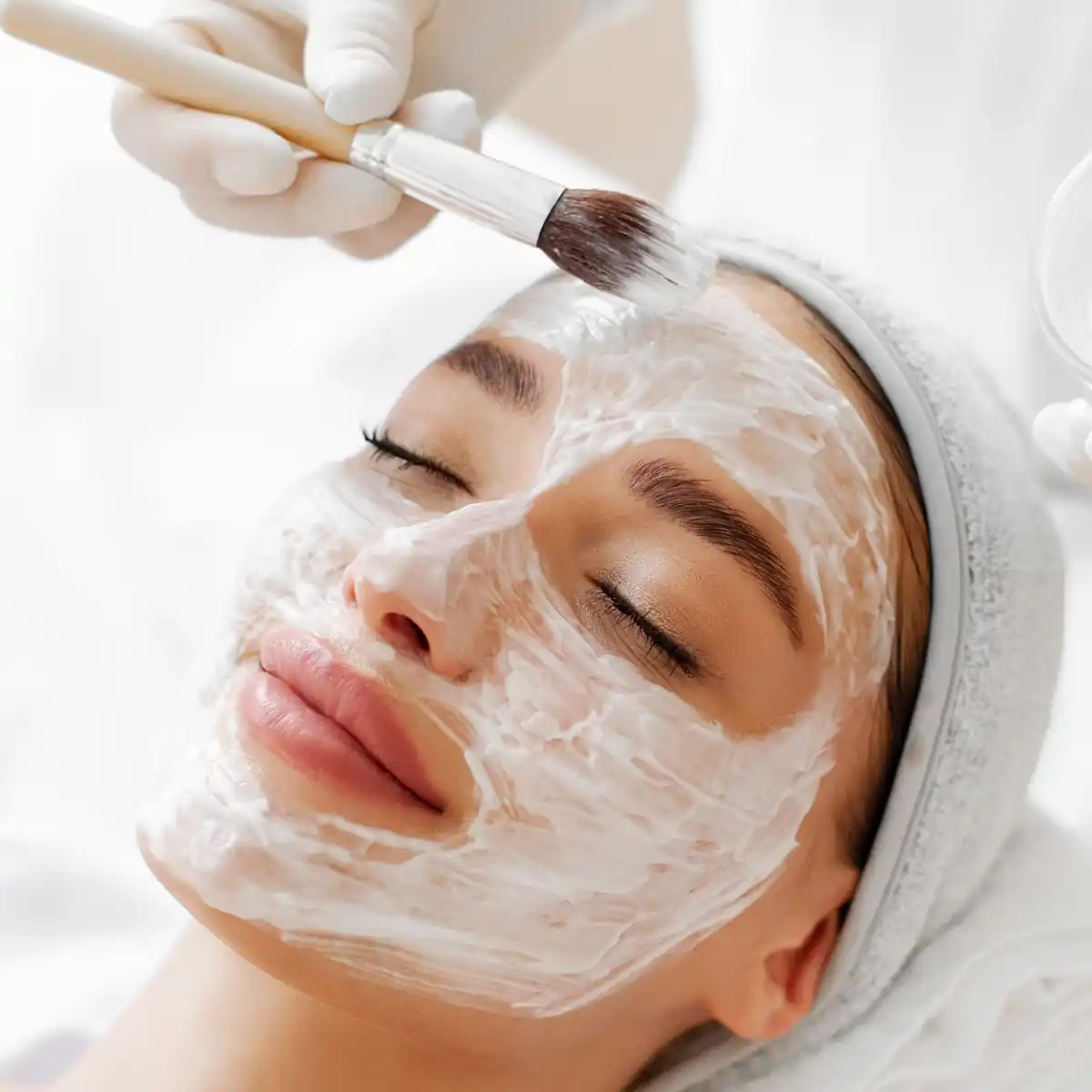
Facials

Laser Resurfacing (Ultraclear)
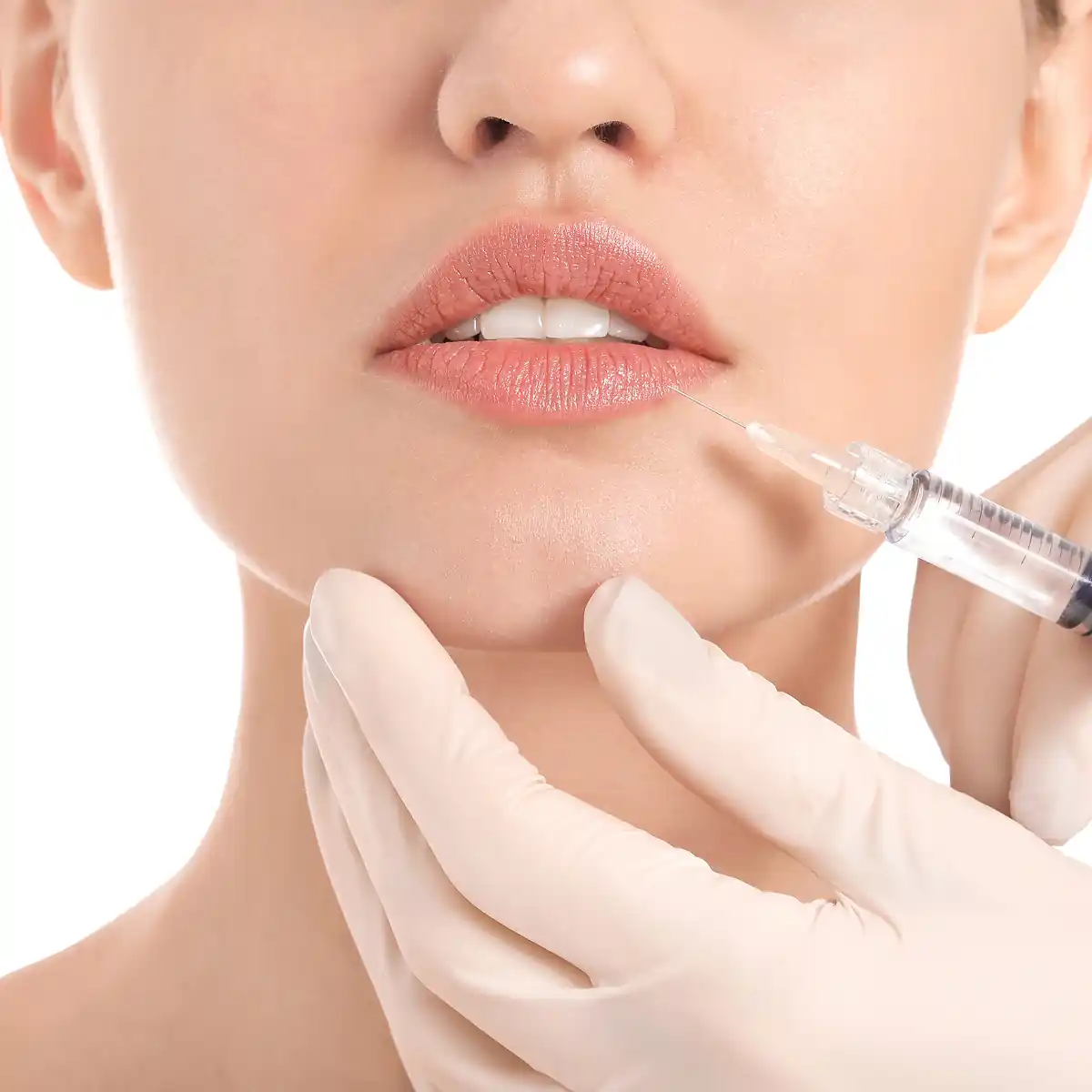
Fillers
Sculptra
Frequently Asked Questions
What is the difference between fine lines and wrinkles?
Fine lines are the subtle, early creases that form on the uppermost surface of the skin. They are typically shallow and often the very first signs of aging people notice. Wrinkles, on the other hand, are the deeper, more pronounced folds and ridges that develop as time goes on. Both are direct results of the skin losing its natural elasticity, volume, and underlying structural support as we age. While fine lines might be easily plumped with hydration, deep wrinkles represent more permanent changes to the skin matrix.
How does sun exposure impact the development of wrinkles?
Sun exposure is widely recognized as the single greatest external cause of premature skin aging. The ultraviolet radiation from the sun penetrates deep into the skin layers and actively damages the essential collagen and elastin fibers that keep skin smooth. This ongoing destruction is known as photoaging. Over years of unprotected exposure, the skin loses its ability to repair this damage, resulting in accelerated sagging and the early formation of deep wrinkles. Protecting your skin from the sun daily is the most effective preventative measure you can take.
Can my diet and lifestyle really affect my skin's appearance?
Yes, your daily diet and lifestyle choices have a profound impact on the health and appearance of your skin. Consuming a diet high in sugar and refined carbohydrates can trigger glycation, a process that makes collagen stiff and prone to breaking. Dehydration also makes existing fine lines look much worse by robbing the skin of its natural plumpness. Additionally, chronic stress and a lack of adequate sleep prevent your body from properly repairing cellular damage. By drinking plenty of water, eating nutrient-dense foods, and managing stress, you actively support smoother skin.