
Understanding Skin Healing
A Comprehensive Guide to Scars and Scar Formation
The human body possesses an incredible ability to repair itself after an injury, and scarring is a natural, fundamental part of that healing process. Whenever your skin experiences significant trauma—whether from a surgical procedure, a severe acne breakout, or an accidental scrape—your body quickly jumps into action to mend the broken tissue. Scars are the visible result of this biological repair system. While they stand as a testament to your skin’s resilience, we understand that the appearance of a scar can often become a source of cosmetic concern or physical discomfort. Scars form when the deeper layer of the skin, known as the dermis, sustains damage. To close the wound and protect your body from infection, your system produces a network of collagen fibers. This new tissue often has a different texture and quality than the surrounding skin, which is why a scar looks and feels distinct. The final appearance of a mark depends on a wide variety of factors, making every scar entirely unique to the individual. By understanding the mechanics of how wounds heal and what influences the resulting tissue, you can take active steps to support your skin during its recovery. This educational guide explores the different types of scars, the factors that affect their development, and the proven methods you can use to promote better healing and minimize their appearance.
All About Scar Development
Types of Scars and How to Minimize Them
Scars come in many different forms, and their ultimate appearance depends heavily on the nature of the original wound and how your body responds to the trauma. Some of the most common types include atrophic scars, which appear as pitted or sunken areas in the skin and frequently result from severe acne. Hypertrophic scars, on the other hand, are raised, red, and elevated above the surrounding skin, though they remain within the boundary of the original injury. Keloid scars are also raised but grow beyond the initial wound site, often becoming thick and puckered. Contracture scars typically occur after burns, causing the skin to tighten and potentially restrict movement. Additionally, stretch marks and simple "fine line" scars are common variations that many people experience.
Numerous factors influence how noticeably a scar will form. The size and depth of the initial wound play a major role; deeper, larger injuries naturally require more extensive repair work from the body. The location of the wound also matters heavily. Areas of the body where the skin is under constant tension or regular movement, such as joints or the chest, are far more prone to noticeable scarring. Furthermore, your genetics, natural skin type, and age significantly affect your healing process. Younger skin tends to overproduce collagen during healing, which can sometimes lead to thicker scars. Complications during the healing phase, such as an infection or severe inflammation, will also drastically alter the final outcome of the tissue.
Fortunately, you can employ several effective methods to minimize scarring right after an injury occurs. The first step is prompt and proper wound cleansing using mild soap and water to prevent infection. Once clean, it is vital to keep the wound moist and covered with a sterile bandage or dressing. A moist healing environment prevents hard scabs from forming, which can deepen a scar. You must also avoid picking at scabs or scratching the healing skin, as this creates further trauma. Minimizing tension and movement around the wound helps the skin heal smoothly. It is equally important to avoid applying harsh, outdated remedies like hydrogen peroxide or rubbing alcohol, as these actually damage newly forming skin cells and delay healing. You should also avoid smoking, which restricts blood flow and impairs tissue repair. Once the wound has closed, applying diligent sun protection prevents the new, delicate skin from hyperpigmenting and turning dark. For further care, proven over-the-counter products like silicone gel or silicone sheets can safely help flatten and soften the tissue over time. If a scar remains bothersome after fully healing, professional treatments such as laser therapy or targeted steroid injections offer advanced options for scar revision.
Related Services
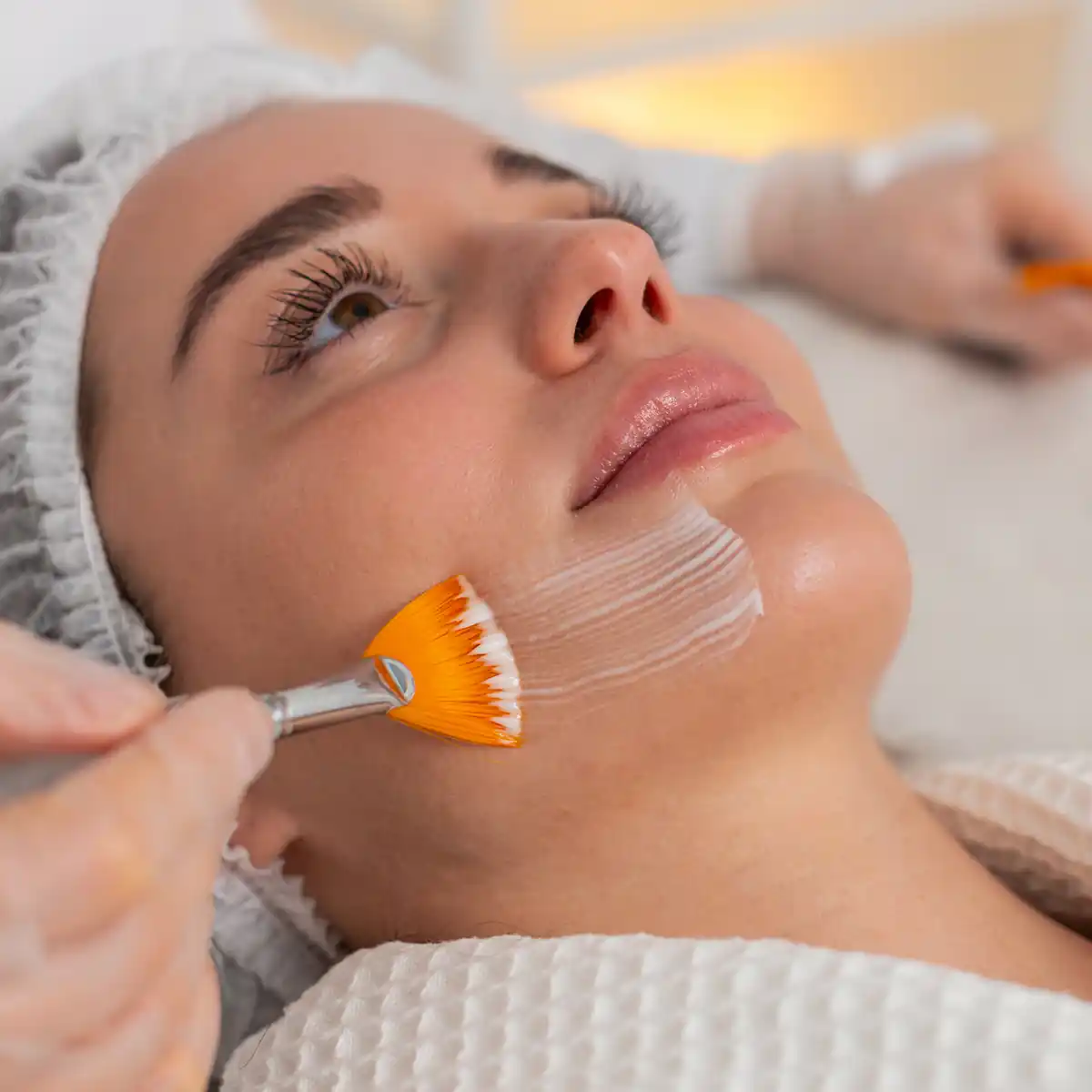
Chemical Peels
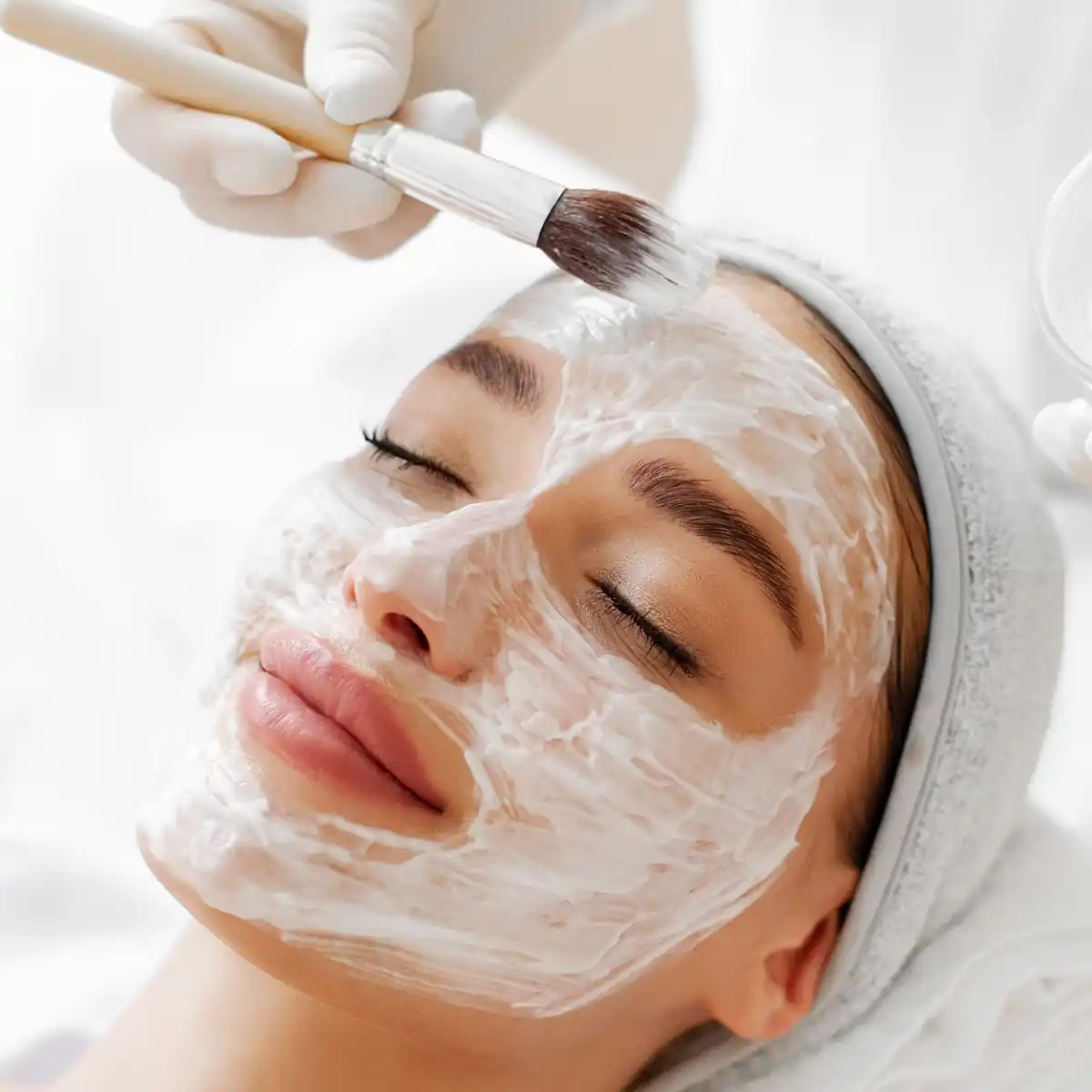
Facials
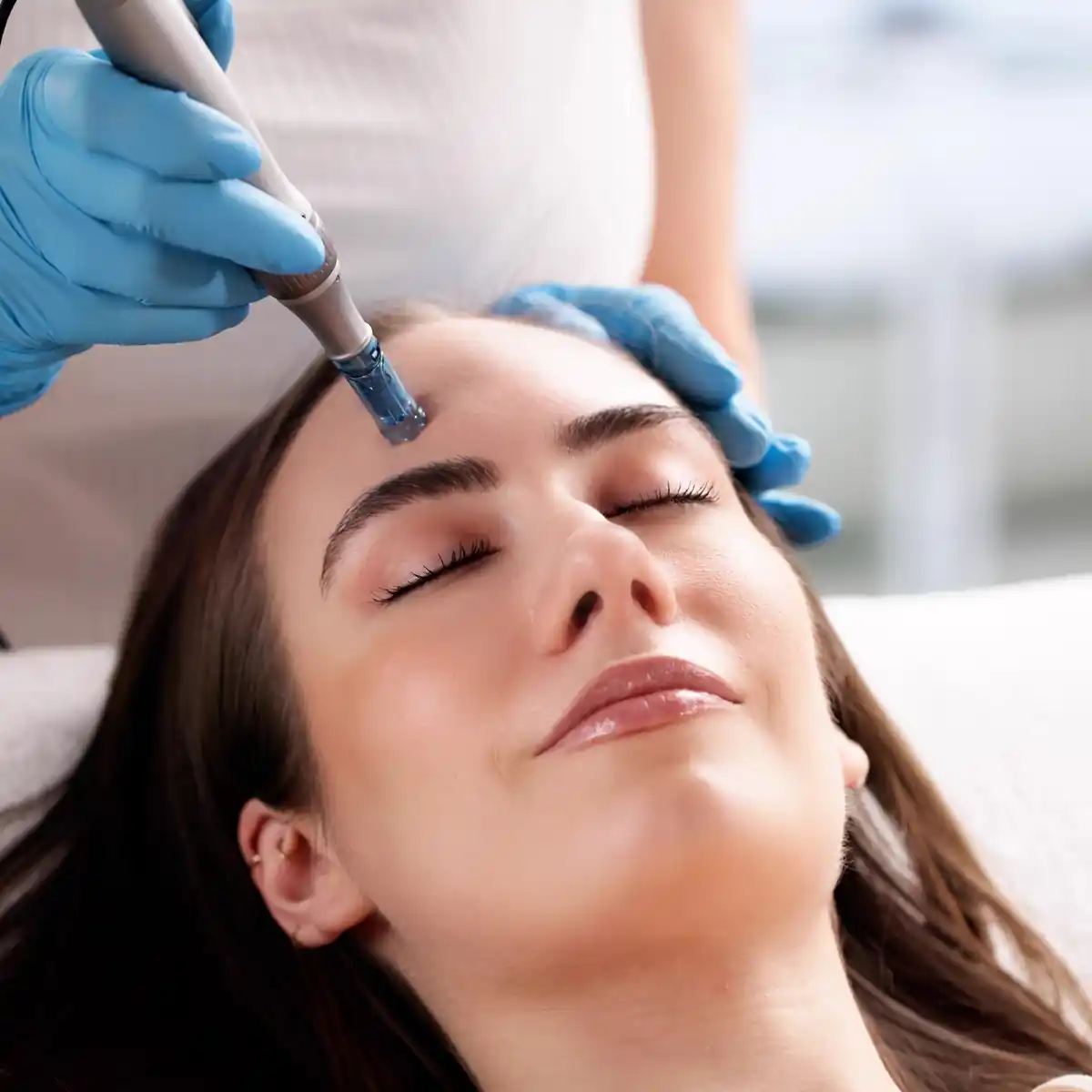
Microneedling
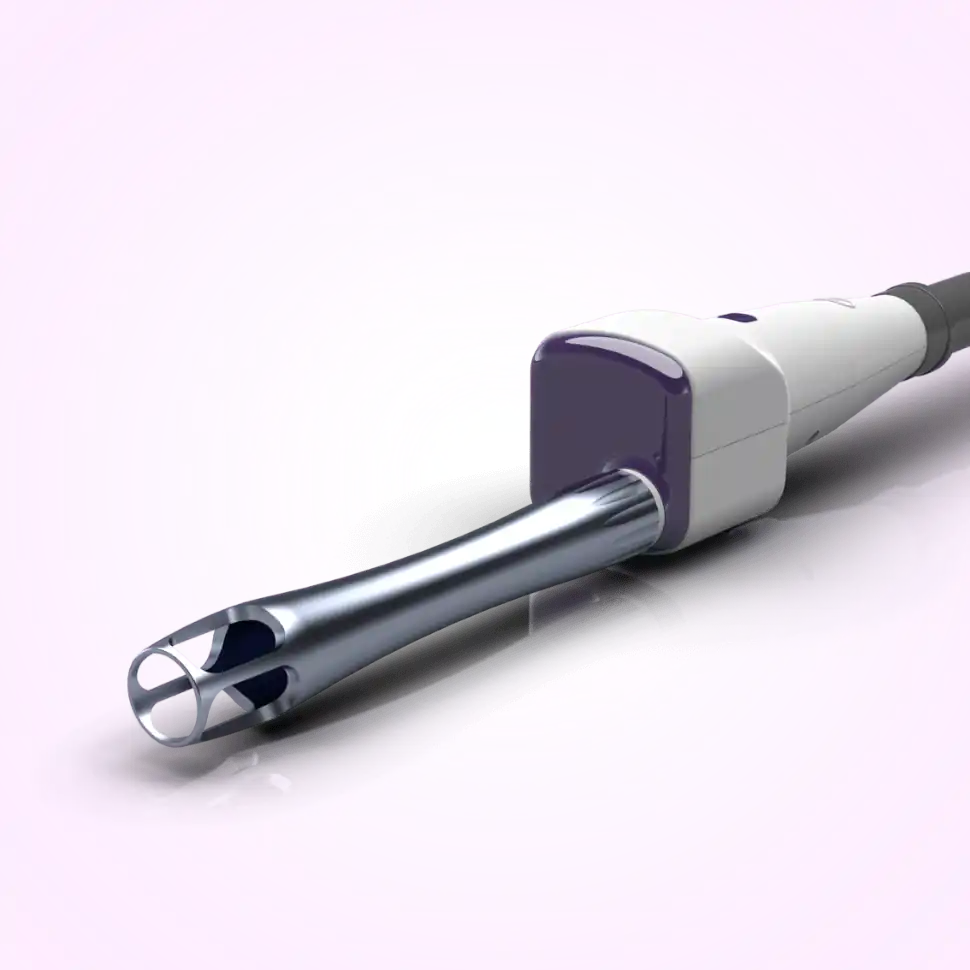
Laser Resurfacing (Ultraclear)

Diamond Glow
Frequently Asked Questions
What are the different types of scars that can form?
Scars generally fall into a few primary categories based on how they heal. Atrophic scars appear sunken or pitted and are most commonly left behind by cystic acne or chickenpox. Hypertrophic scars are raised, red, and thick, but they stay within the lines of the original cut. Keloid scars are an overgrowth of tissue that extends beyond the original wound and can be quite prominent. Contracture scars happen after a burn and cause the skin to tighten. Finally, stretch marks are a form of scarring caused by rapid skin stretching.
How can I prevent a wound from leaving a bad scar?
Proper wound care is your best defense against severe scarring. Always clean a fresh cut gently with mild soap and water. Keep the wound consistently moist and covered with a sterile bandage; letting a wound dry out and form a hard scab actually makes scarring worse. Never pick or scratch at the healing skin. Once the wound closes, protect the new skin from the sun using sunscreen or clothing, as UV rays can permanently darken a healing scar. You can also use silicone gel sheets to help flatten the area.
Do home remedies like Vitamin E work for fading scars?
Despite popular belief and widespread internet advice, applying Vitamin E to a healing wound or an existing scar has not been medically proven to improve its appearance. In fact, for some individuals, topical Vitamin E can cause contact dermatitis, which irritates the skin and worsens the scarring process. Instead of unproven home remedies, medical professionals recommend using silicone-based gels or sheets. Silicone is clinically proven to hydrate the tissue, reduce collagen overproduction, and effectively help soften and flatten scars over time.