
Understanding Skin Pigmentation
A Comprehensive Guide to Uneven Skin Tone
Uneven skin tone is a widespread and common skin concern characterized by areas of the skin that differ in color from your natural, baseline complexion. Instead of presenting a consistent, uniform color across your body, the skin displays noticeable patches that are either darker or lighter than the surrounding tissue. You will most frequently notice these pigment irregularities on areas of the body that receive the most environmental exposure, particularly the face, the neck, and the backs of the hands. The color of your skin relies primarily on a natural pigment called melanin. Specialized cells in your skin, known as melanocytes, produce this pigment. Melanin serves an incredibly important biological purpose: it acts as a built-in defense system to protect your skin from the harmful effects of ultraviolet (UV) radiation. When UV rays hit your skin, melanin absorbs and dissipates this energy, which helps to prevent severe DNA damage in your skin cells. However, when the skin experiences stress, damage, or significant biological changes, this melanin production can become unbalanced. Understanding the mechanics behind this condition is the first step toward achieving a more balanced complexion. Whether you are dealing with dark spots from past acne breakouts, sun damage from years spent outdoors, or lighter patches of skin, knowing the root causes helps you address the issue effectively. We will explore the different types of pigmentation issues, the internal and external factors that trigger them, and the daily habits you can build to protect and support your skin.
All About Skin Discoloration
The Causes and Types of Uneven Skin Tone
Skin pigmentation irregularities generally fall into two main categories: hyperpigmentation and hypopigmentation. Hyperpigmentation occurs when the skin overproduces melanin, resulting in patches that are darker than the surrounding skin. Common examples include age spots (often called sun spots), melasma, and the dark marks left behind after an acne breakout heals. Conversely, hypopigmentation happens when melanin production decreases or stops altogether, leaving certain patches of skin lighter than your normal skin tone. This missing pigment is characteristic of conditions like vitiligo or the temporary loss of pigment following a severe skin inflammation or injury.
A wide variety of factors can trigger these changes in your skin tone. Sun exposure remains one of the most prominent causes. Chronic UV damage forces melanocytes into overdrive, leading to the clumps of melanin we recognize as sun spots. Post-inflammatory hyperpigmentation (PIH) is another major contributor. Whenever your skin suffers a trauma—such as a breakout, a cut, a burn, or an eczema flare-up—the resulting inflammation can trigger excess melanin production as part of the healing process. Hormonal changes also play a massive role, particularly in women. Fluctuations during pregnancy or from taking oral contraceptives can stimulate melanocytes, leading to a specific type of uneven skin tone called melasma, which typically appears on the cheeks, forehead, and upper lip.
Beyond these common triggers, your environment and underlying health conditions can influence your complexion. Chronic exposure to airborne pollution and environmental stressors can create oxidative stress in the skin, accelerating cumulative damage and unevenness. Furthermore, certain medical conditions strongly associate with skin tone irregularities. Conditions like acne, psoriasis, and eczema frequently leave behind discolored patches after the active flare-up resolves. Systemic health issues, including Addison’s disease, specific thyroid diseases, and even certain types of skin cancers, can fundamentally alter your skin's pigmentation. Your genetics and natural skin type also dictate how prone you are to developing these discolorations.
Fortunately, you can adopt several highly effective preventative measures to protect your complexion and encourage a more uniform skin tone. Daily sun protection is the single most critical habit you can build. Applying a broad-spectrum sunscreen every day prevents UV rays from triggering excess melanin production and protects existing dark spots from growing darker. You should also strictly avoid tanning beds, as they deliver concentrated UV damage. When dealing with breakouts or skin injuries, keeping your hands away from your face is essential. You must not pick, pop, or squeeze pimples, as this unnecessary trauma virtually guarantees the formation of post-inflammatory hyperpigmentation. Establishing a gentle, consistent skin care routine supports a healthy skin barrier. You might also consider incorporating targeted over-the-counter brightening ingredients designed to safely inhibit excess melanin production. Finally, making healthy lifestyle choices, such as eating a balanced diet and managing stress, supports overall skin health and resilience against uneven pigmentation.
Related Services
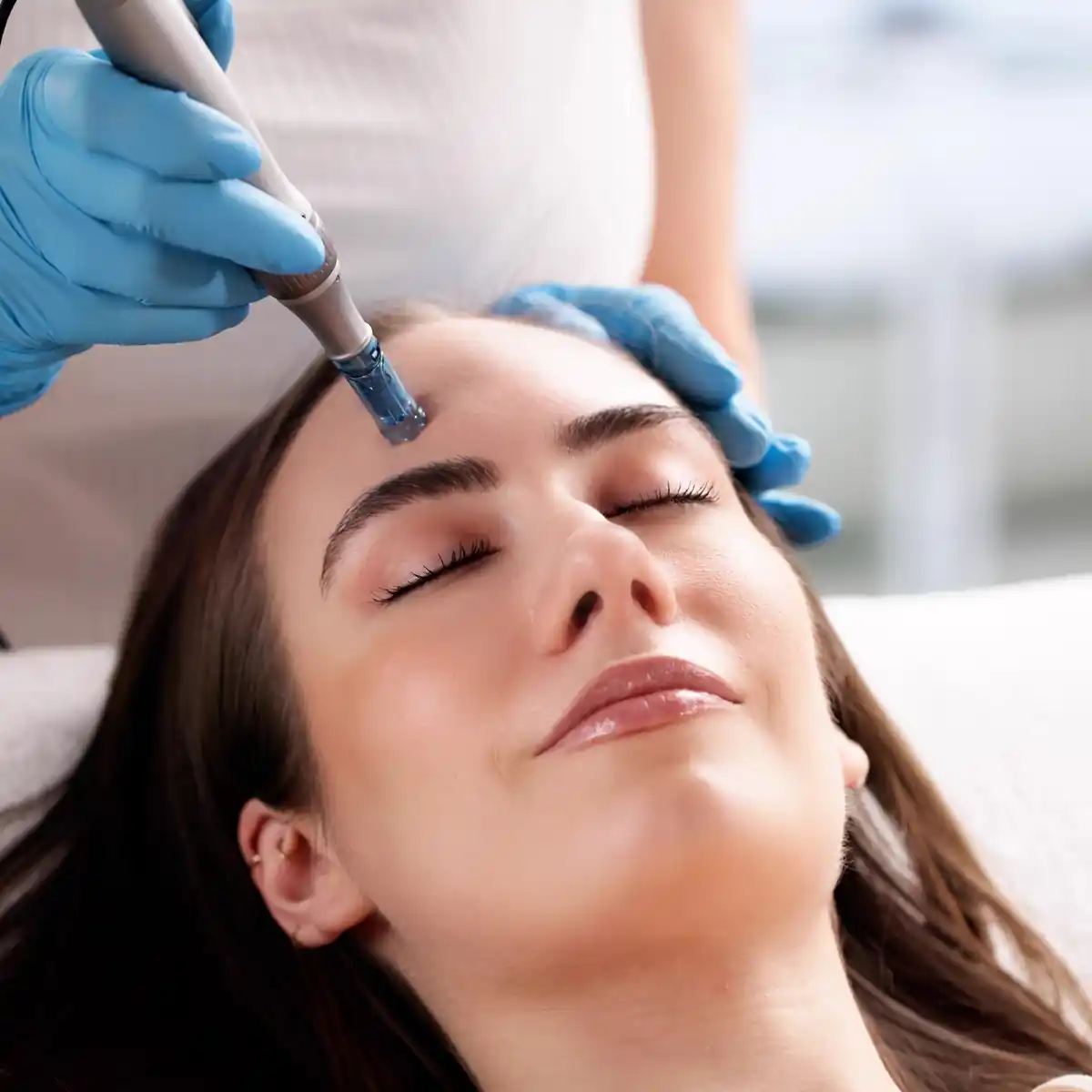
Microneedling
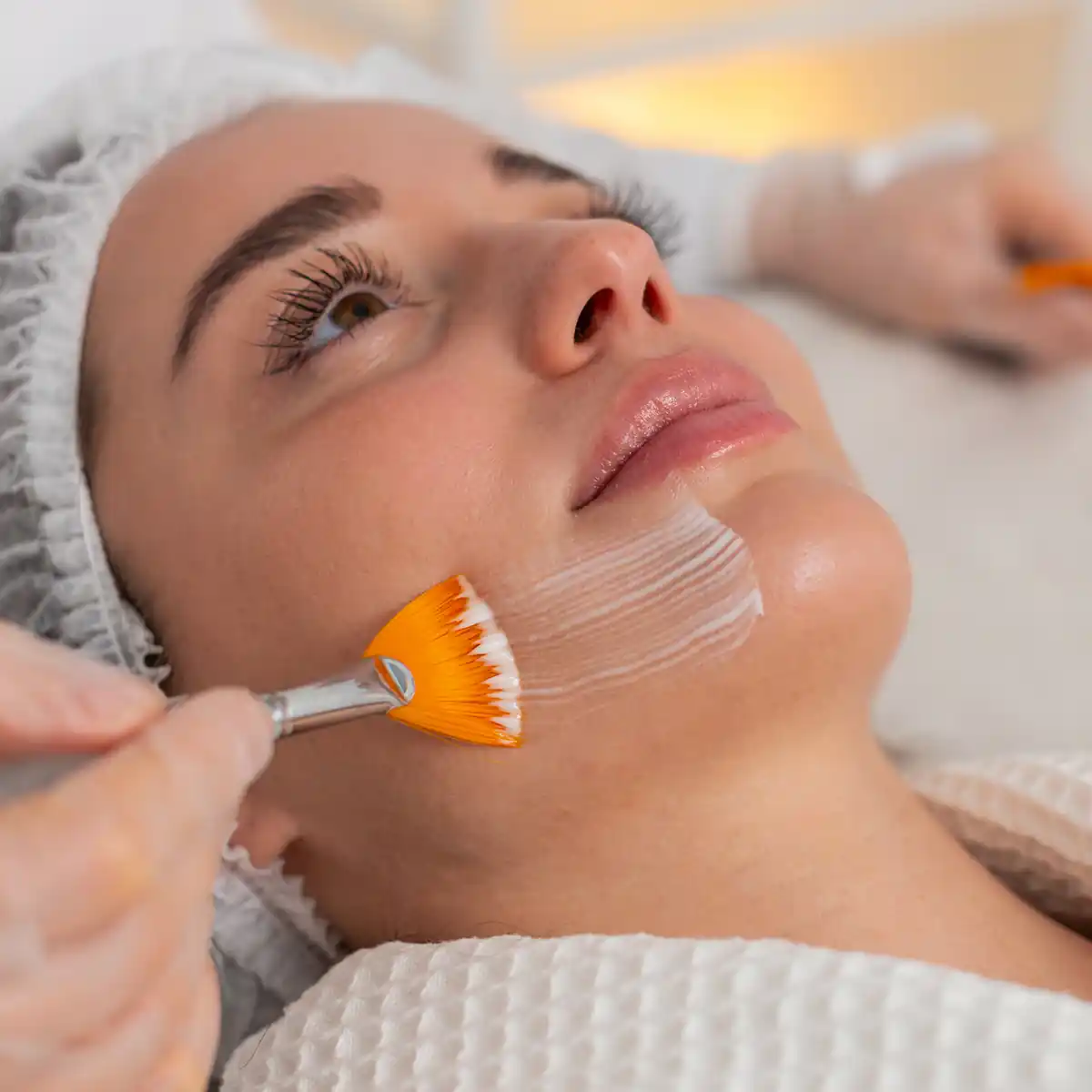
Chemical Peels
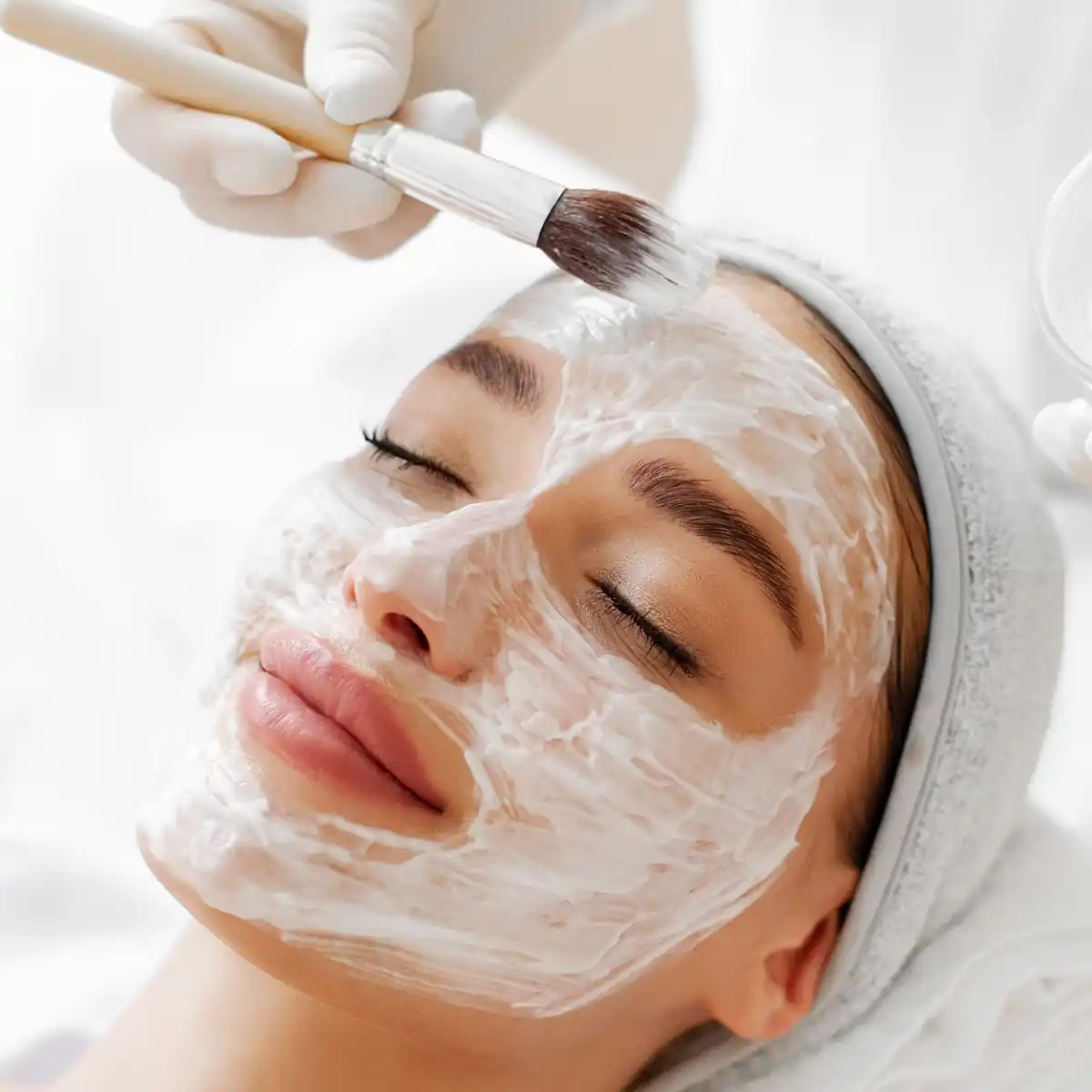
Facials

Laser Resurfacing (Ultraclear)
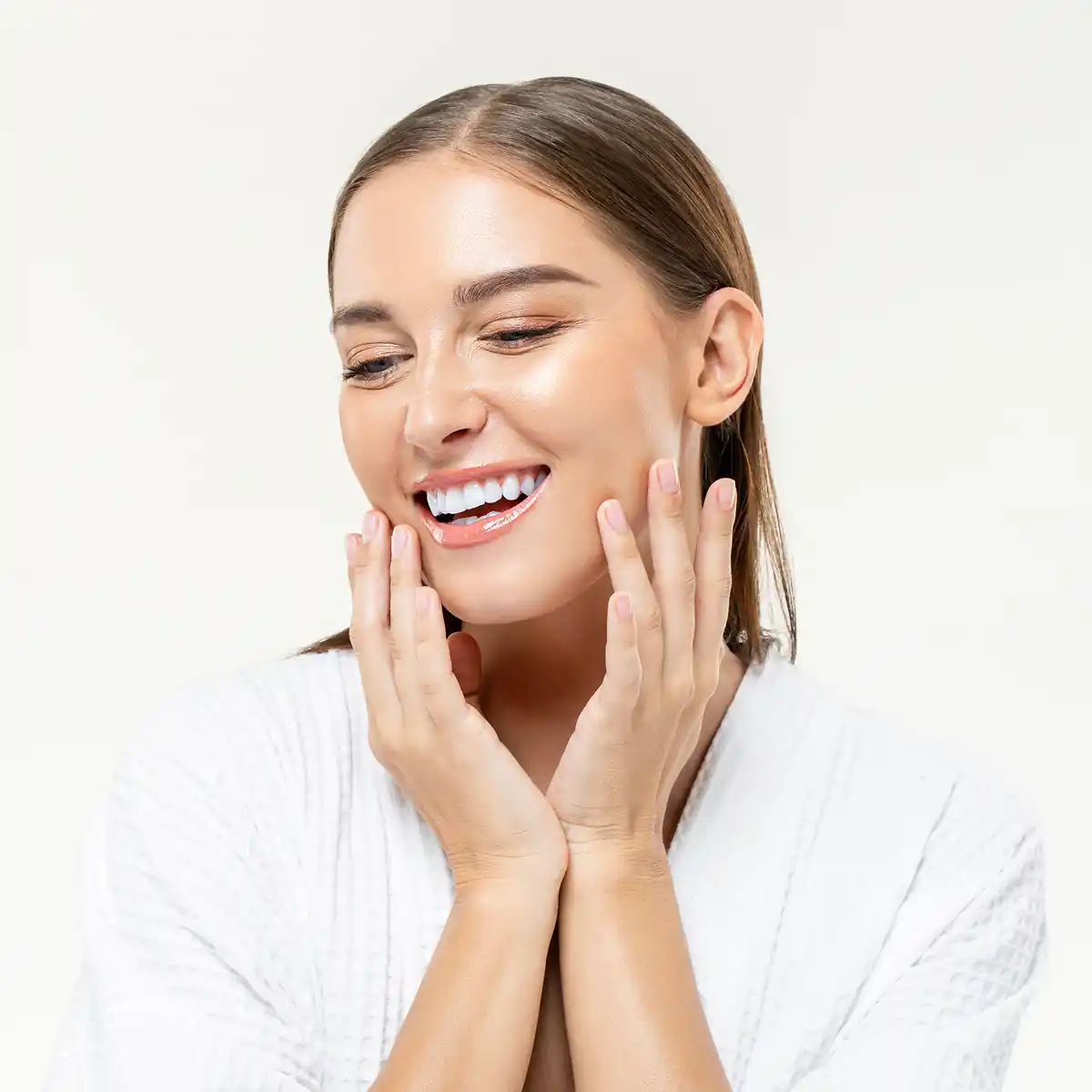
Diamond Glow
Frequently Asked Questions
What exactly is the role of melanin in the skin?
Melanin is the natural pigment responsible for giving your skin, hair, and eyes their unique color. It is produced by specialized skin cells called melanocytes. Beyond providing color, melanin serves a critical protective function for your body. It acts as a natural shield against the sun by absorbing and safely dissipating harmful ultraviolet (UV) radiation. This absorption helps prevent the UV rays from causing deep DNA damage to your skin cells. However, when the skin faces excessive sun exposure, inflammation, or hormonal shifts, the melanocytes can produce too much or too little melanin, which directly results in an uneven skin tone.
How can I effectively prevent uneven skin tone from developing?
The most effective way to prevent uneven skin tone is through diligent, daily sun protection. Wearing a broad-spectrum sunscreen every single day shields your skin from the UV radiation that triggers melanin overproduction. Additionally, you should actively avoid artificial tanning beds. If you experience acne or skin injuries, never pick, scratch, or squeeze the affected area, as this physical trauma causes inflammation that leads to dark marks. Maintaining a gentle skin care routine, managing underlying skin conditions like eczema, and using products with protective antioxidants can further defend your skin against the environmental stressors that cause discoloration.
What is the difference between hyperpigmentation and hypopigmentation?
Hyperpigmentation and hypopigmentation are the two primary ways uneven skin tone manifests, but they represent opposite issues with melanin production. Hyperpigmentation happens when your skin produces too much melanin in localized areas, creating patches that are distinctly darker than your normal skin tone. Common examples include sun spots, melasma, and post-acne dark marks. Hypopigmentation, on the other hand, occurs when melanin production is reduced or completely absent in certain areas. This results in patches of skin that are noticeably lighter than your baseline complexion, as seen in conditions like vitiligo or following severe skin damage.